
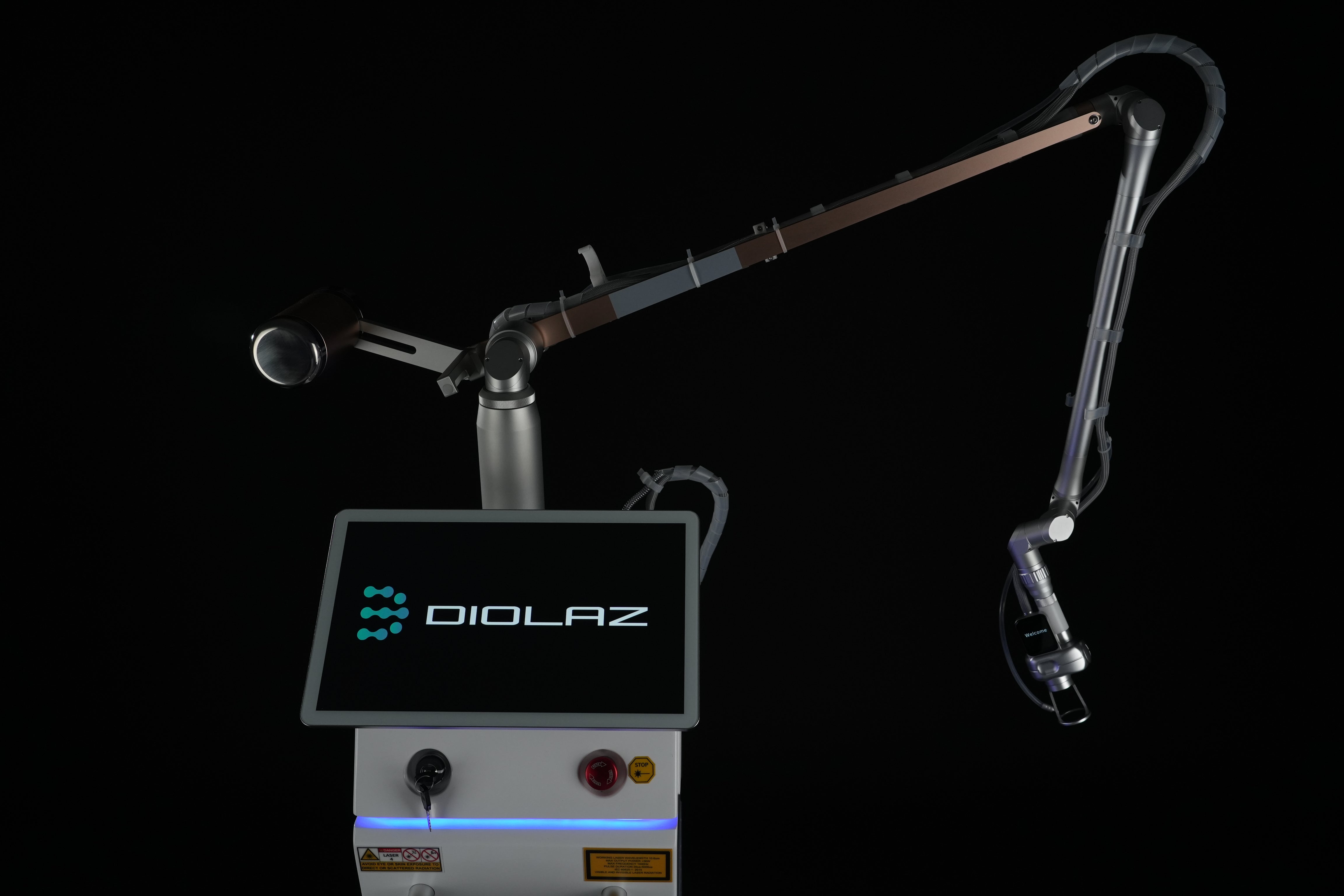
Les lasers CO2 sont des outils polyvalents qui peuvent être utilisés selon différents modes pour obtenir des résultats cliniques variés. Les deux principaux modes sont le mode fractionné (ablation fractionnée) et le mode ablatif complet . Il est essentiel pour les cliniciens de comprendre cette distinction afin de choisir le réglage le plus adapté aux besoins du patient. Nous comparerons ci-dessous le resurfaçage laser CO2 fractionné et le resurfaçage laser CO2 ablatif complet et nous expliquerons dans quels cas utiliser chacun d'eux pour des résultats optimaux.
Comprendre la différence
- Laser CO2 ablatif : En mode champ complet, le laser détruit 100 % de la surface cutanée de la zone traitée. Il agit comme un scalpel de lumière de précision, éliminant l'épiderme et une partie du derme en une seule séance. Cette approche très intensive crée une lésion uniforme sur toute la zone, permettant un raffermissement et une réduction des rides significatifs dès le premier traitement. Avantages : Efficacité maximale pour les rides profondes, le photovieillissement sévère ou les cicatrices étendues ; souvent, un seul traitement suffit. Inconvénients : Temps de cicatrisation plus long (deux semaines ou plus pour la réépithélialisation), risque accru de complications (infection, cicatrices, hypopigmentation) et rougeurs prolongées (pouvant durer plusieurs mois). Les patients doivent accepter une convalescence importante et des soins post-traitement rigoureux. Le laser CO2 ablatif a longtemps été considéré comme la référence en matière de resurfaçage cutané, mais son intensité et les risques associés sont élevés.
- Laser CO2 fractionné (ablation fractionnée) : En mode fractionné, le faisceau laser est divisé en de nombreux microfaisceaux qui traitent uniquement des fractions de la peau, selon un motif de points minuscules. Chaque microfaisceau crée une colonne d’ablation entourée de peau intacte. De ce fait, seul un pourcentage (par exemple 20 à 40 %) de la surface cutanée est vaporisé directement, le reste demeurant intact. Avantages : Récupération beaucoup plus rapide et risque d’effets secondaires moindre comparé à l’ablation complète. La peau intacte environnante favorise la cicatrisation : les traitements fractionnés guérissent généralement en 5 à 7 jours, contre environ 2 semaines pour une ablation complète. Le risque de cicatrices ou de changements de pigmentation est également réduit, ce qui fait du fractionné une option plus sûre pour de nombreux patients, y compris ceux ayant un phototype de Fitzpatrick élevé. Inconvénients : Chaque séance de traitement fractionné offre une amélioration plus modeste ; plusieurs séances (souvent 2 à 4) peuvent être nécessaires pour obtenir des résultats similaires à ceux d’un traitement complet. Les traitements fractionnés sont aujourd'hui largement privilégiés pour la plupart des cas de resurfaçage en raison d'une convalescence plus douce, mais ils ne peuvent pas complètement remplacer le recours à un traitement ablatif complet dans certains cas graves.
Choisir la bonne approche
Le choix entre l'ablation fractionnée et l'ablation complète au CO2 dépend de la présentation clinique et des priorités du patient :
- Pour les signes de l'âge légers à modérés – ridules, rides superficielles, irrégularités de texture légères – le laser CO2 fractionné est généralement idéal. Il permet de rajeunir la peau avec un temps de convalescence bien plus court. Les patients qui ne peuvent pas s'absenter longtemps ou qui sont réticents à prendre des risques importants privilégient également cette option. Comme le souligne la Mayo Clinic, les lasers fractionnés raccourcissent la période de récupération et constituent désormais la méthode de resurfaçage cutané la plus courante.
- Pour les rides profondes, les dommages importants causés par le soleil ou les cicatrices profondes chez un patient capable de supporter une période de convalescence, un laser CO2 ablatif peut être indiqué. Les traitements ablatifs permettent d'obtenir des résultats qu'un laser fractionné nécessiterait plusieurs séances. Par exemple, une seule séance de laser CO2 ablatif sur l'ensemble du visage peut souvent effacer des années de rides profondes et de dommages causés par le soleil en une seule fois (un véritable rajeunissement de 5 ans). Cette option est particulièrement intéressante pour les patients qui souhaitent une transformation radicale en une seule fois et sont prêts à supporter une convalescence intensive.
Dans certains cas, une approche combinée est utilisée : le traitement ciblé des zones problématiques (comme les rides périorales profondes ou les cicatrices en creux) se fait par une ablation complète, puis un traitement laser fractionné est appliqué sur l’ensemble du visage pour unifier le résultat. Cette méthode hybride permet d’optimiser les résultats tout en maîtrisant les risques : seules les zones restreintes font l’objet d’un traitement plus intensif.
Résumé des principales différences
- Temps de convalescence : Fractionnée = environ 1 semaine de cicatrisation ; Totalement ablative = environ 2 semaines de cicatrisation, plus une rougeur plus longue.
- Séances : Fractionnelle = 2 à 3 traitements typiques ; Ablation complète = 1 traitement souvent suffisant.
- Résultats : Traitement fractionné = amélioration significative (progressive à chaque séance) ; Traitement ablatif complet = résultat le plus spectaculaire en un seul traitement.
- Risques : Fractionnelle = risque plus faible d’infection, d’hyperpigmentation et de cicatrices ; Totalement ablative = risque plus élevé, nécessite des soins post-opératoires très méticuleux.
- Sélection des patients : Traitement fractionné pour ceux qui privilégient une convalescence plus courte ou qui présentent des problèmes modérés ; Traitement ablatif complet pour ceux qui ont besoin/souhaitent un changement maximal et peuvent accepter une période de convalescence.
Les lasers CO2 fractionnés et ablatifs ont tous deux un rôle important à jouer. En choisissant le mode approprié, les praticiens peuvent adapter l'intensité du traitement à l'état de la peau et au mode de vie du patient. De nos jours, le laser CO2 fractionné est devenu la technique de prédilection pour la plupart des resurfaçages cutanés, car il offre un profil de sécurité plus favorable et une cicatrisation plus rapide. Le laser CO2 ablatif est désormais réservé aux cas les plus sévères ou lorsqu'un patient souhaite explicitement une intervention unique et intensive. Comprendre ces différences garantit le traitement adapté au résultat escompté – un principe fondamental de la thérapie laser personnalisée.
Références :
- La Mayo Clinic explique que le resurfaçage laser fractionné raccourcit le temps de récupération, réduit les effets secondaires et est devenu la méthode largement privilégiée (bien que plusieurs séances soient probablement nécessaires).
- Cleveland Clinic – Remarques : Resurfaçage complet au laser CO2 : récupération jusqu’à 2 semaines, contre environ 1 semaine pour le CO2 fractionné, ce qui reflète les différences de temps d’arrêt.
- Questions-réponses RealSelf – Décrit le CO2 ablatif complet comme étant plus efficace que le fractionné pour les problèmes profonds, mais avec une guérison beaucoup plus longue et un risque plus élevé.
- Chen J et al., 2023 – Explique comment le CO2 fractionné crée des zones microscopiques (MTZ), préservant la peau environnante et améliorant ainsi la guérison par rapport à l'ablation complète traditionnelle.
Partager:
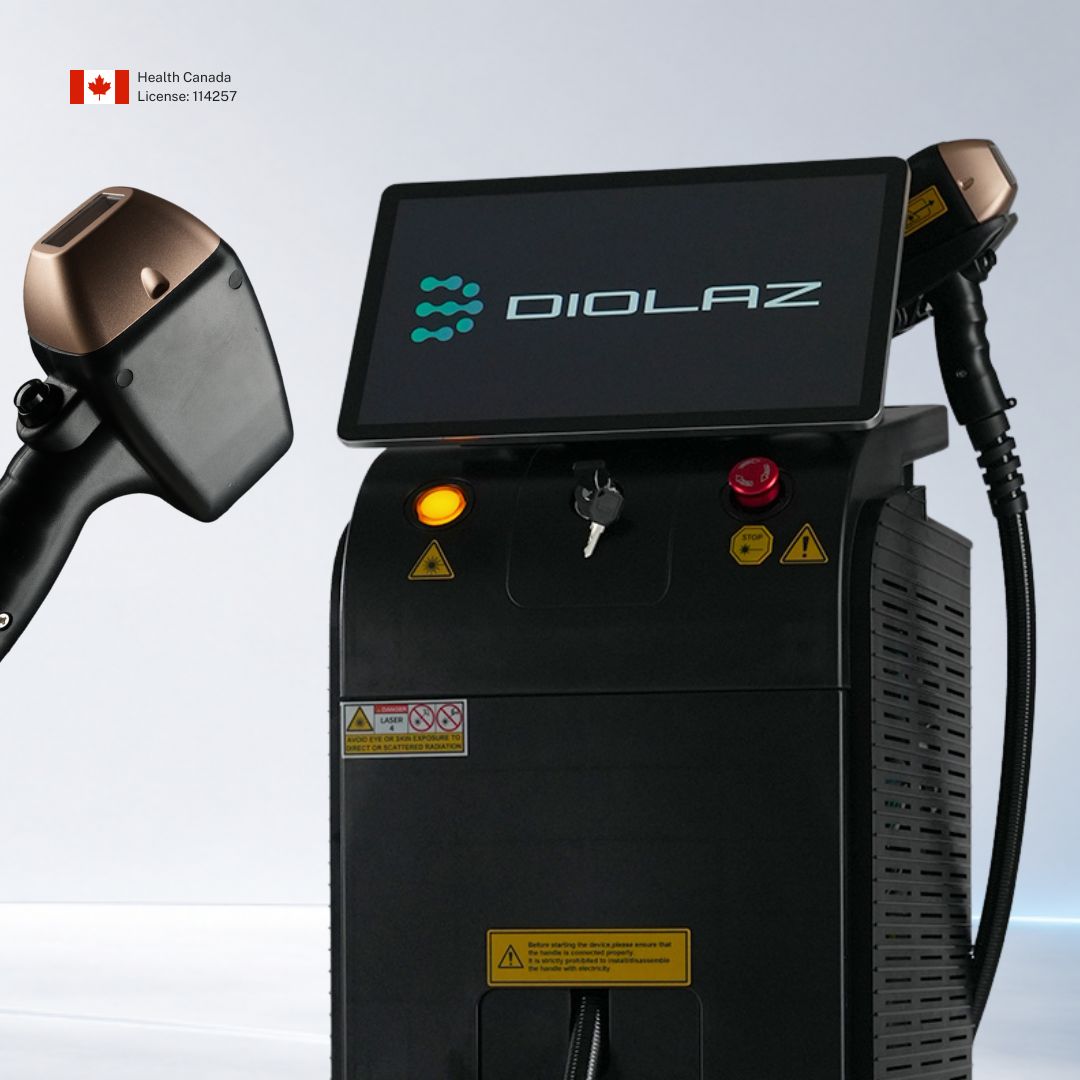
Laser diode DioLaz : Épilation laser diode 808 nm certifiée MDL au Canada
Innover dans votre clinique grâce aux appareils de thérapie pelvienne de pointe