
The Importance of Certification
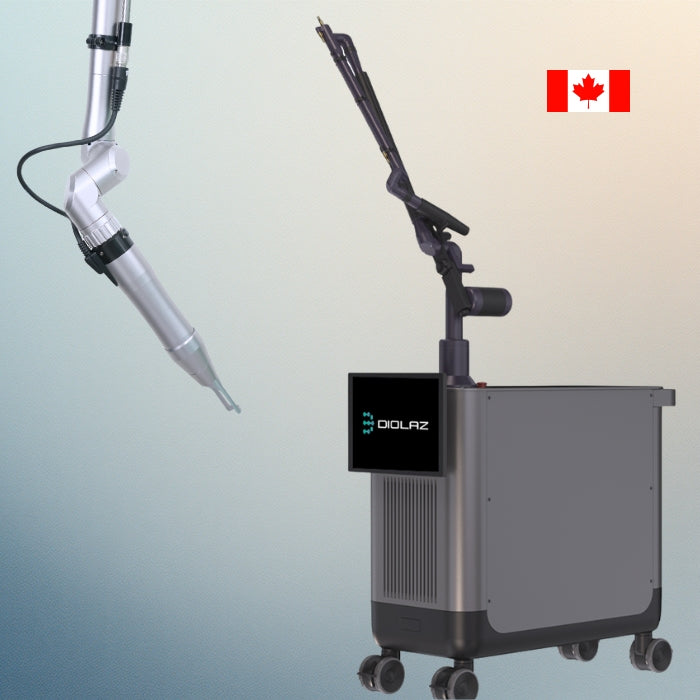
In Canada, regulatory compliance isn’t just red tape – it’s the bedrock of patient safety and clinic reputation. All medical and aesthetic laser devices must be reviewed and approved by Health Canada before they can be legally sold or used. This approval, in the form of a Medical Device License, signifies that a laser system meets strict standards for safety, efficacy, and quality control under Canada’s Medical Devices Regulations. When a clinic chooses a laser like the DioLaz Picosecond Laser system that is Health Canada-certified (Class III medical device license), it is visibly committing to those high standards. Patients may not know the technicalities of Class III devices, but they inherently feel more confident knowing the equipment is government approved – it’s a seal of legitimacy and trust.
Avoiding Risks and Legal Pitfalls
Using non-approved or “grey market” devices exposes a clinic to serious liability and can endanger patients. Health Canada approval ensures that the laser has been evaluated for things like electrical safety, laser output consistency, and the accuracy of its clinical claims. It’s illegal to advertise or use unlicensed laser devices for medical/aesthetic treatments in Canada, and doing so can result in fines or closure. Clinics that put compliance first by investing in licensed lasers essentially bulletproof themselves against regulatory action. Moreover, they align with professional guidelines – for instance, the Canadian Dermatology Association and provincial colleges expect that only approved devices are used on patients. Adhering to these rules demonstrates that a clinic takes patient welfare and legal obligations seriously, which can be a differentiator in a crowded marketplace.
Patient Trust and Savvy Consumers
Today’s clients often do their homework. Many know to ask, “Is that device FDA or Health Canada approved?” When a clinic can confidently answer “Yes, our DioLaz Picosecond Laser is Health Canada licensed for tattoo removal and skin treatment,” it sets the patient at ease. It tells them an independent authority has vetted the device’s safety and effectiveness. A clinic can even display the device’s license number or approval certificate in the lobby – a tangible symbol of credibility. On the flip side, if a client discovers a clinic is using unapproved machines (perhaps via a quick Google search of the model), trust can be irrevocably broken. In the age of social media, one compliance misstep can snowball into reputational damage.
Marketing Advantage in a Regulated Market
Emphasizing compliance can actually be a marketing boon. Clinics that highlight their use of Health Canada certified lasers send a message: “We go above and beyond for your safety.” For discerning clients – especially those seeking advanced treatments like picosecond laser therapy – this professionalism can tip the scales in choosing one provider over another. It’s similar to seeing a restaurant proudly display a food inspection A-grade. In aesthetics, a clinic might say on its website or brochures: “We use only Health Canada-approved devices, such as the Class III DioLaz Picosecond Laser, to ensure the highest safety and results for our patients.” Such statements build credibility. Indeed, leveraging compliance can attract a more informed, affluent clientele who seek clinics at the forefront of technology with the proper credentials.
Training and Standards
Health Canada licensing requirements often go hand-in-hand with proper training and protocols. Licensed devices typically come with comprehensive training programs and user manuals that align with approved indications. Clinic staff operating a Health Canada certified laser are likely to have been trained according to the manufacturer’s guidelines (which were reviewed during the licensing process). This leads to better treatment outcomes and consistency. By contrast, off-label or uncertified devices might not have standardized training, resulting in variability or even misuse. A clinic can further bolster trust by mentioning that its technicians or physicians have been certified in the use of the specific Health Canada approved laser – showing not just the tool is certified, but the users are qualified. The Canadian Association of Medical Spas (CAMACS) also advocates for using licensed equipment and even offers laser technician registration to ensure practitioners are following safety standards.
Peace of Mind for Practitioners
Compliance benefits the clinic internally as well. Knowing the device has passed rigorous testing and that the clinic is following the law provides peace of mind to the owners and practitioners. There’s less worry about unforeseen device malfunctions or efficacy issues – if something does go awry, the clinic can work with the manufacturer who had to meet post-market surveillance obligations as part of licensing. Additionally, malpractice insurers favor (or may even require) the use of licensed equipment. In the unfortunate event of an adverse reaction, being able to document that an approved device was used according to its labeled indications can be a strong defensive point. It shows the clinic exercised due diligence and followed accepted medical standards.
In summary, choosing Health Canada certified lasers is a win-win. Clinics uphold the law and the highest safety benchmarks, while patients receive treatments with validated technology. In the long run, this commitment to compliance builds a strong foundation of trust. As one industry source succinctly puts it, using licensed lasers is “a signal of professionalism—key to earning patient trust”. By putting compliance first, Canadian aesthetic clinics elevate their credibility, reduce risks, and create an environment where patients feel secure and respected.
References:
- Health Canada – Medical Devices Regulations: All aesthetic lasers must have a Medical Device License; devices are classified by risk (lasers often Class III) and require rigorous approval.
- Canada Beauty & Aesthetics (CBAM) – Notes that laser/RF devices for skin rejuvenation are categorized as medical devices and “must be approved under the Medical Devices Regulations before being legally sold or used in Canada.”.
- CAMACS – Advocates for laser tech registration and use of approved machines; highlights the importance of compliance in professional standards.
- Emergo (Health Canada consultant) – Explains MDL (Medical Device License) and MDEL; underscores that selling or using unlicensed Class II/III/IV devices is illegal and subject to enforcement.
Partager:
Why New Aesthetic Graduates Start with Diode Laser Hair Removal
One Machine, Many Capabilities: DioLaz Pico Laser Expands Clinic Services