
L'homologation précède le marketing
Au Canada, l'achat d'un laser Pico n'est pas seulement une décision liée au matériel. Il s'agit d'une décision qui relève de la réglementation, de la sécurité des patients et de la gouvernance d'entreprise. Les propriétaires de cliniques et les directeurs médicaux les plus fiables examinent un laser comme ils le feraient pour tout achat sérieux de capital médical : la documentation d'abord, le langage de vente ensuite. Cet ordre protège la conformité, la confiance des patients et la cohérence des opérations quotidiennes.
Vérifier la licence canadienne spécifique à l'appareil
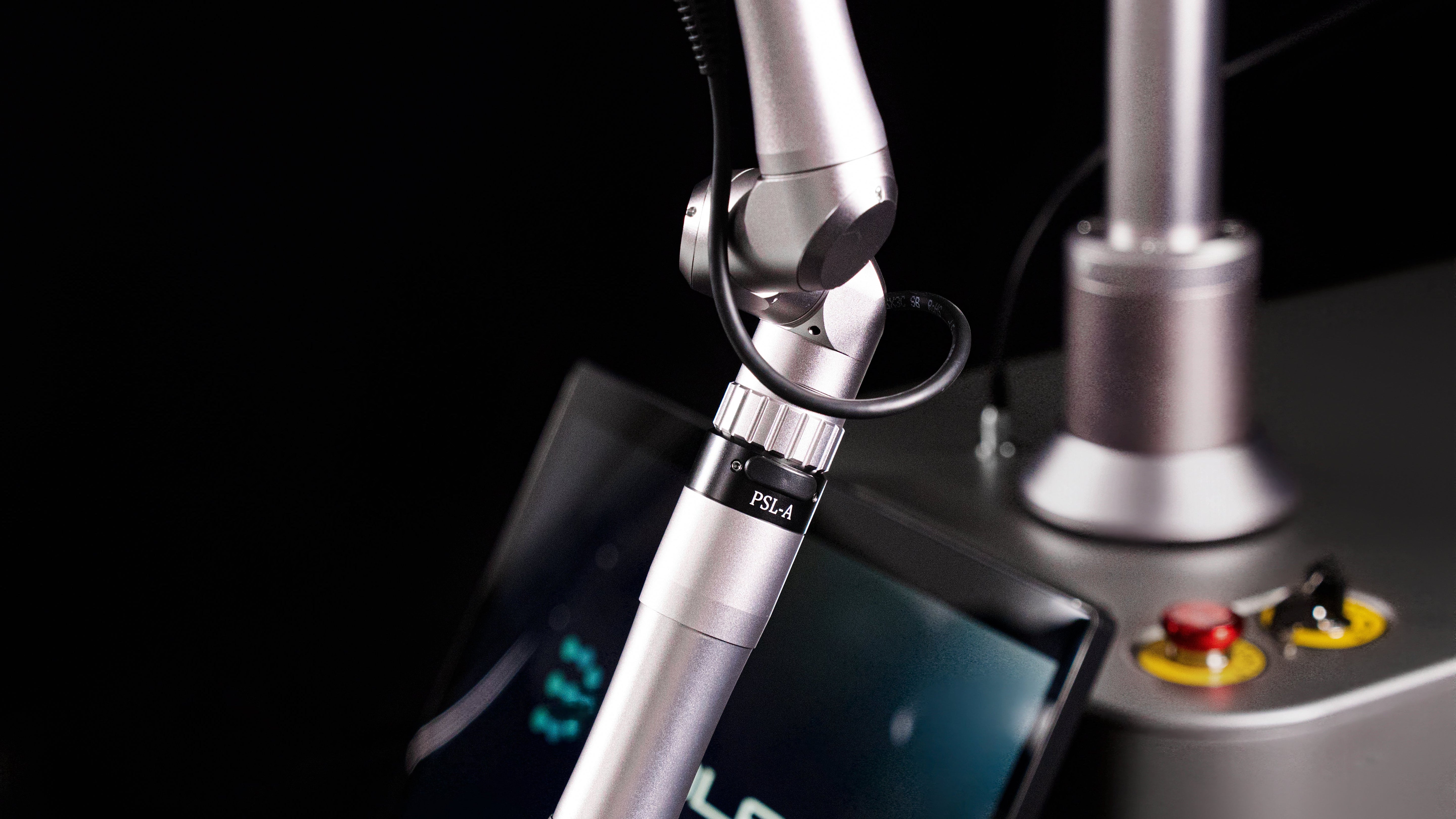
Pour le système DioLaz Pico, le premier point de contrôle est clair et vérifiable. Santé Canada identifie le SYSTÈME LASER PICOSECONDE comme un appareil médical de classe III en vertu de la licence d'instrument médical n° 115451. Tous les appareils DioLaz sont homologués par Santé Canada. Un numéro de licence concret a plus de valeur que des mots vagues tels que « approuvé », car il peut être conservé dans les dossiers d'approvisionnement, les procédures d'exploitation normalisées, les dossiers d'assurance et la documentation de conformité interne.
Les spécifications doivent prendre en charge un flux de travail clinique
Les documents officiels de DioLaz Pico indiquent des longueurs d'onde de 1064 nm et 532 nm, une durée d'impulsion de 450 ps, une répétition de 1 à 10 Hz, une taille de spot réglable de 2 à 10 mm, une livraison par bras articulé, un refroidissement par air et par eau, et deux têtes de traitement. Cependant, les spécifications seules ne constituent pas un programme de sécurité complet. Les acheteurs doivent également s'attendre à des conseils utilisables sur les contre-indications, les points finaux cliniques, la configuration de la salle, les lunettes de protection, les soins post-traitement, l'entretien, le dépannage, la photographie de traitement et la documentation des paramètres. Ces documents aident une clinique à traduire la capacité technique en PON reproductibles et en formation du personnel. Une clinique ne devrait jamais avoir à construire l'ensemble de son flux de travail de sécurité des patients à partir d'une brochure commerciale.
La conception de la sécurité doit être vérifiable
Les propriétaires devraient se demander comment le système gère les états de veille et de préparation, l'arrêt d'urgence, le contrôle à distance de l'interverrouillage, la protection de la pédale, les alertes de refroidissement et l'accès à un support technique qualifié. Le manuel fourni décrit un interverrouillage de porte destiné à arrêter la sortie laser lorsque la porte de la salle de traitement est ouverte, ainsi qu'une surveillance de la température et du débit de l'eau. Ces détails sont faciles à négliger lors d'une démonstration et impossibles à ignorer après un incident évitable. La meilleure question d'approvisionnement n'est pas simplement « La machine peut-elle tirer ? » C'est plutôt : « Mon équipe peut-elle l'utiliser en toute sécurité, de manière cohérente et défendable chaque jour ? » La documentation DioLaz fournie transforme ces questions en une liste de contrôle pratique pour la clinique.
Un devis bas peut transférer le risque à la clinique
C'est là que la comparaison entre un vrai picoseconde et un nanoseconde à commutation Q à budget devient pratique. Un laser à commutation Q conventionnel peut avoir un rôle clinique légitime, mais si le fournisseur ne peut pas produire une licence canadienne claire, une documentation sur la durée d'impulsion, des informations de sécurité au niveau de l'appareil, des conseils de traitement et un soutien à la formation, le risque ne disparaît pas. Il passe à la clinique, à son directeur médical, à ses PON et à son profil de responsabilité. Un service retardé, une intégration incomplète ou des directives de contre-indication peu claires peuvent également réduire l'utilisation après l'achat. Le devis le moins cher peut devenir la machine la plus chère de la salle.
Questions à poser avant de signer
Demandez le numéro de licence de Santé Canada et les identifiants de modèle couverts. Demandez le manuel d'utilisation complet. Demandez comment la durée d'impulsion est documentée. Demandez quels interverrouillages et alertes sont intégrés au système. Demandez quels dépistages de contre-indications, formations sur les points finaux, installations et supports de service sont inclus. Enfin, demandez si le fournisseur peut expliquer — en termes simples — pourquoi la plateforme est un véritable système picoseconde plutôt qu'un laser pigmentaire nanoseconde portant une étiquette Pico. Des réponses solides soutiennent des flux de travail plus sûrs et un marketing plus crédible dès le premier jour.
À RETENIR POUR LE PROPRIÉTAIRE DE CLINIQUE
Un appareil n'est aussi défendable que la documentation, la formation et le flux de travail qui l'entourent.
Prochaine étape pour les propriétaires de cliniques : Découvrez le laser picoseconde DioLaz et vérifiez la licence d'instrument médical n° 115451 de Santé Canada.
Références
1. Santé Canada. (2026). Licence d'instrument médical n° 115451 : SYSTÈME LASER PICOSECONDE.
3. DioLaz Canada. (2026). Manuel d'utilisation du système laser picoseconde. Documentation interne du produit.
4. Kirby, W., Desai, A., Desai, T., Kartono, F., & Geeta, P. (2009). The Kirby-Desai Scale: A proposed scale to assess tattoo-removal treatments. Journal of Clinical and Aesthetic Dermatology, 2(3), 32–37.
5. Barua, S. (2015). Laser-tissue interaction in tattoo removal by Q-switched lasers. Journal of Cutaneous and Aesthetic Surgery, 8(1), 5–8.
6. Sardana, K., Ranjan, R., & Ghunawat, S. (2015). Optimising laser tattoo removal. Journal of Cutaneous and Aesthetic Surgery, 8(1), 16–24.
Partager:
Pourquoi le Vrai Picoseconde surpasse le Laser Q-Switched économique dans les cliniques esthétiques aujourd'hui
Questions sur l'entretien du laser diode que tout propriétaire de clinique devrait poser en premier