


Health Canada-Licensed Dual-Wavelength Picosecond Laser for Professional Tattoo and Pigment Applications
A 1064/532 nm picosecond platform with approximately 450 ps pulse duration, adjustable spot delivery and articulated-arm operation for qualified Canadian clinics.
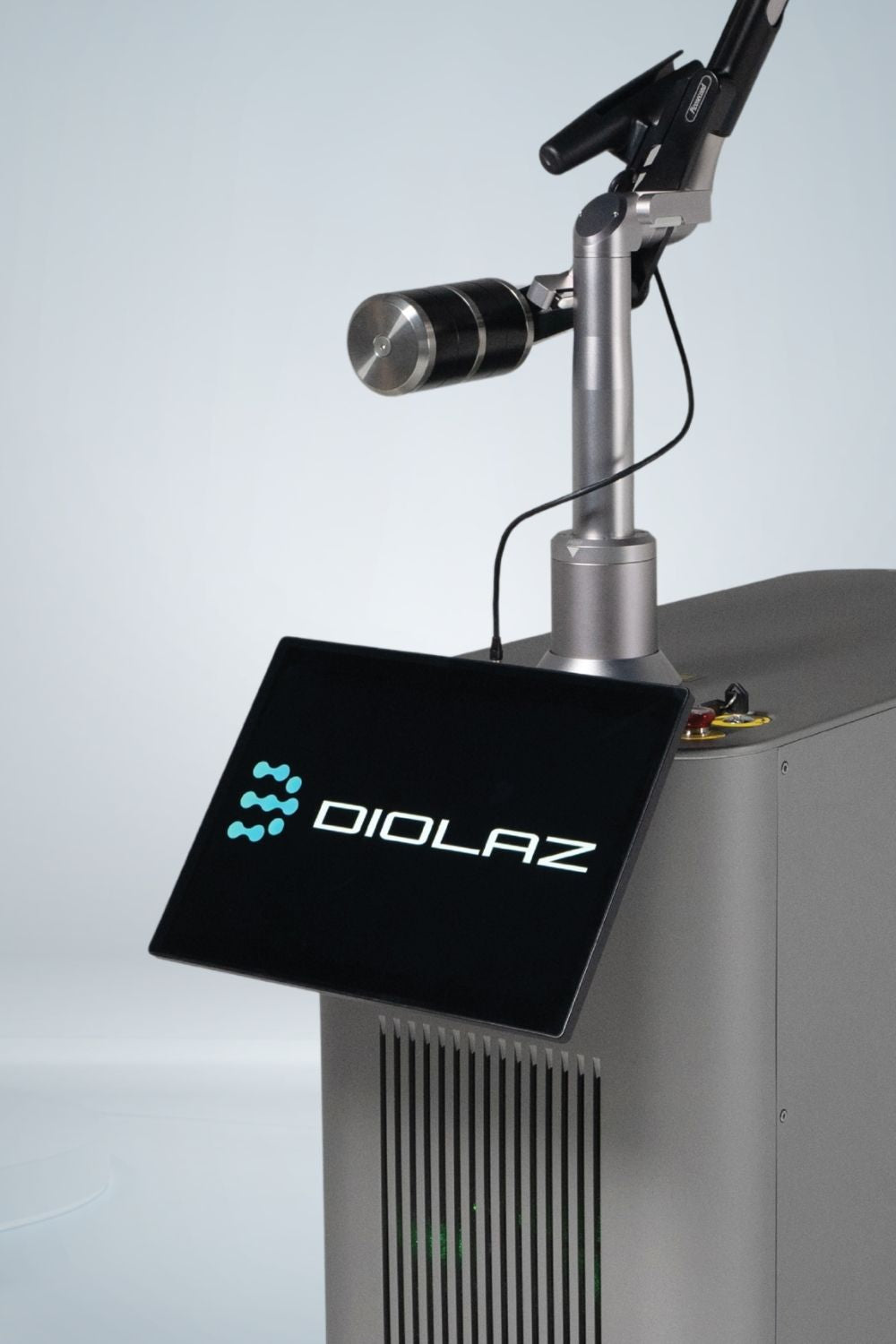
DioLaz Picosecond Laser
DioLaz Picosecond Laser is a Health Canada licensed Class III medical aesthetic laser device (appareil laser esthétique médical) designed for professional use in clinics and medical spas. This dual-wavelength Nd:YAG system (1064 nm/532 nm) delivers ultra-short picosecond pulses for advanced pigment lesion treatment and tattoo removal. As a Health Canada approved Class 3 medical laser, it offers high power with proven safety, making it one of the leading medical aesthetic equipment options in Canada. The DioLaz Picosecond Laser serves as a versatile clinic laser device for dermatology and aesthetic practices – essentially a laser tattoo removal machine and skin rejuvenation laser device in one – enabling clinics (cliniques esthétiques) to expand service offerings while ensuring safe treatments on all skin types (Fitzpatrick I–VI).
Key Features
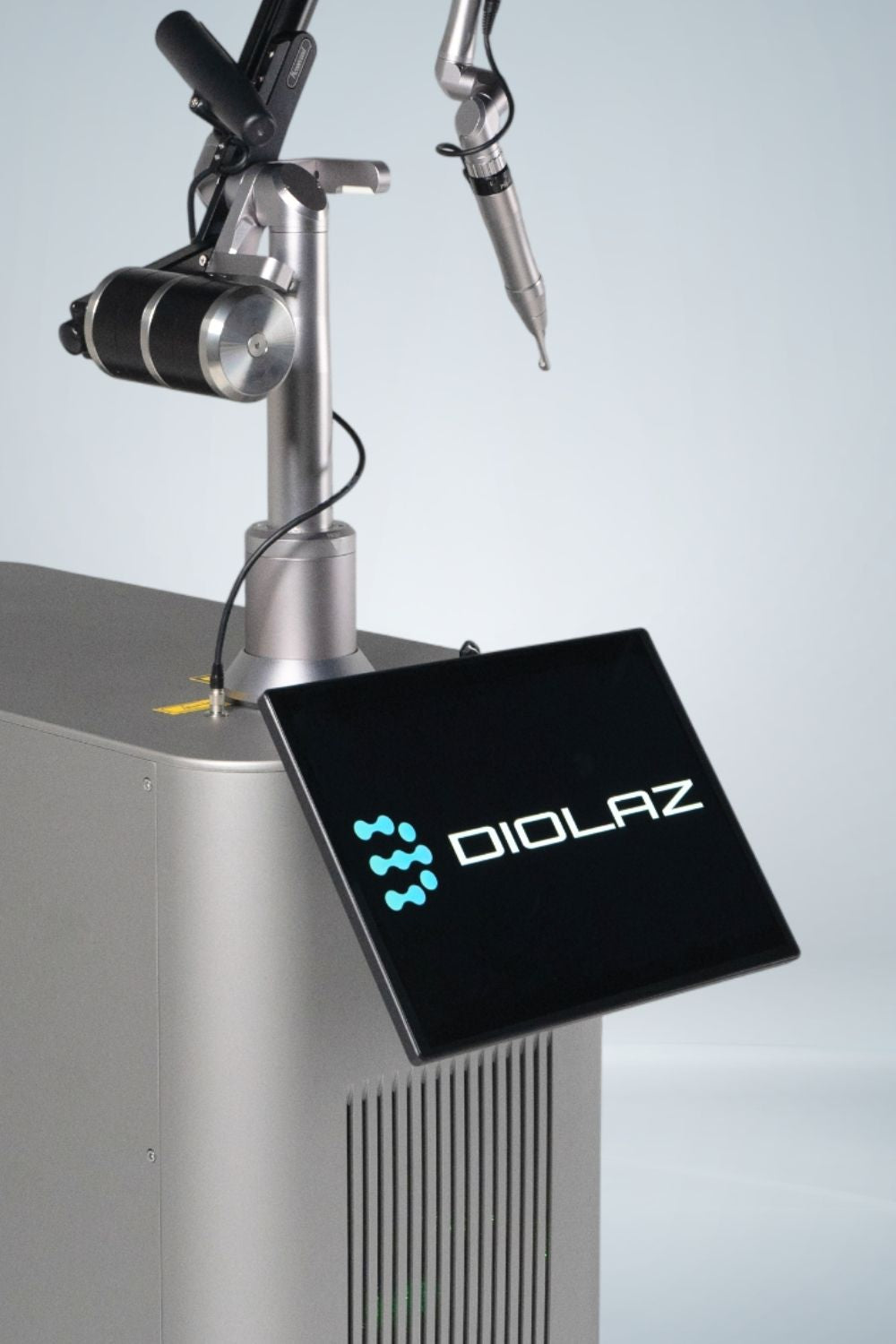
Ultra-Short Pulse Duration – 450 ps
The DioLaz emits pulses in the picosecond domain (~450 picoseconds), which is 100× shorter than traditional nanosecond Q-switched lasers. These ultra-short pulses produce a strong photomechanical laser effect (instead of purely photothermal), shattering pigment into micro-particles for easier clearance. The result is faster ink and lesion removal in fewer sessions with minimal thermal damage to skin (shorter downtime and low risk of scarring or PIH).
High Pulse Energy & Fluence – up to 1,000 mJ
This system delivers up to 1 J (1000 mJ) per pulse at 1064 nm and 500 mJ at 532 nm, providing a high-fluence beam for treating deep dermal pigmentation and resistant tattoo inks. The high output energy enables use of larger spot sizes without losing efficacy, improving penetration for stubborn or dense pigments. Energy stability is within ±3%, ensuring consistent performance and reliable results every shot.
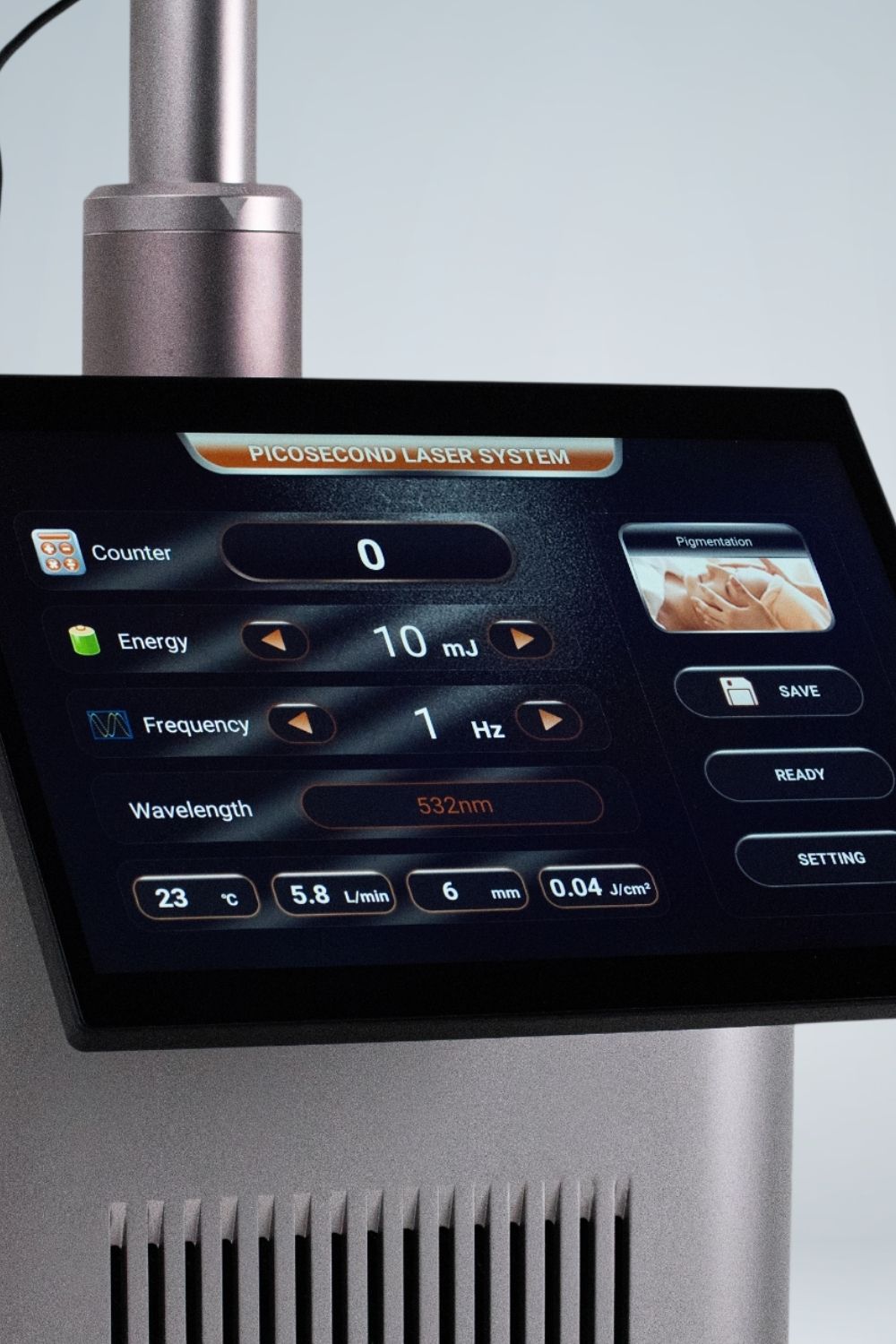
Dual Wavelength Versatility – 1064 nm & 532 nm
The DioLaz Picosecond Laser combines two wavelengths in one system for maximum treatment versatility. The 1064 nm infrared beam targets deeper pigment and darker tattoo colors, and is safer on darker skin tones, while the 532 nm green beam is ideal for superficial pigmented lesions and brighter tattoo inks (red, orange, yellow). This dual-wavelength Nd:YAG laser effectively treats the full spectrum of tattoo colors and pigmentation issues – even stubborn blue and green inks that other lasers struggle with – all with one device.
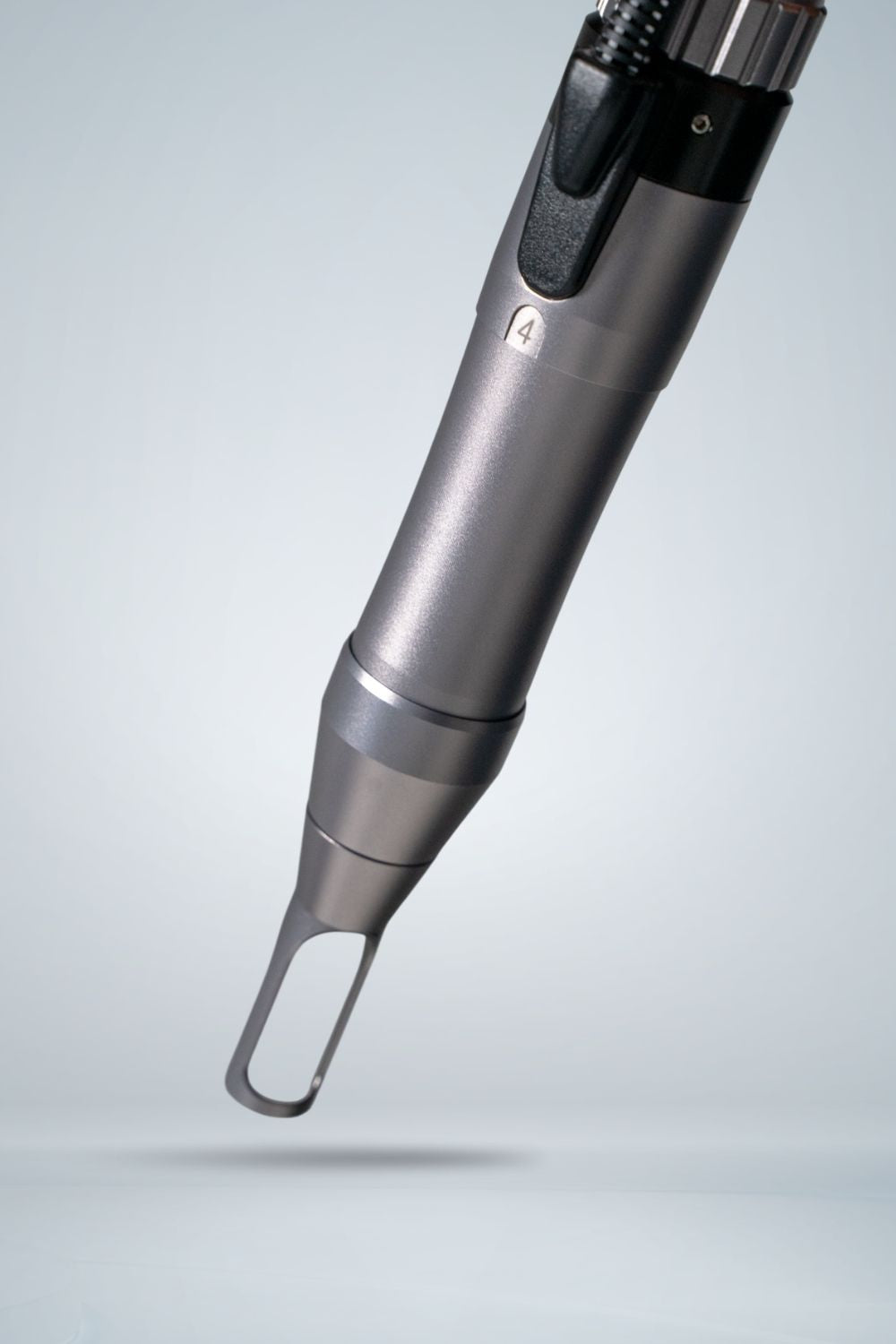
Adjustable Spot Size – 2 to 10 mm
A convenient zoom handpiece allows continuous spot size adjustment from 2 mm up to 10 mm diameter. This flexibility lets practitioners switch between small spots for precise targeting of tiny lesions or isolated tattoo details, and large spots for faster coverage of bigger treatment areas. The beam profile remains uniform even at larger spots (flat-top output), ensuring even energy distribution. The spot size can be easily tuned on the handpiece itself, streamlining treatments and allowing customization for each lesion size and depth.
Performance Specification
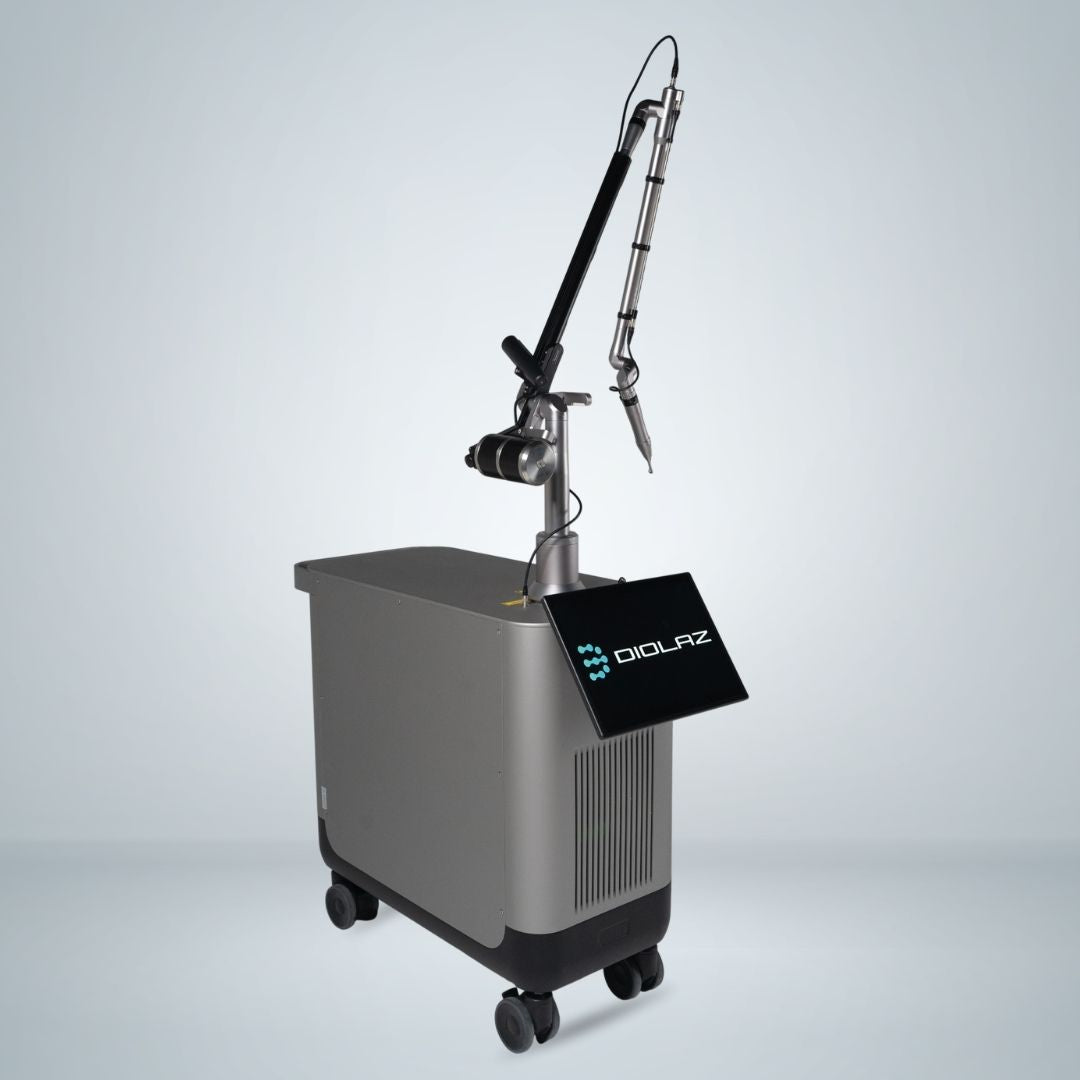
Picosecond laser system (1064 nm / 532 nm)
1064 nm & 532 nm (dual-wavelength)
1064 nm: 20–500 mJ; 532 nm: 10–250 mJ (adjustable)
~450 ps (picosecond domain)
1–10 Hz (adjustable)
2–10 mm (continuous zoom adjustable)
Articulated arm with ≥95% transmission efficiency
650 nm red diode laser pointer (facilitates targeting)
Air & water cooling (internal closed-loop)
2 interchangeable handpieces (standard & focus lens)
Clinical Applications
The DioLaz Picosecond Laser is indicated for a wide range of clinical applications in dermatology and aesthetic medicine.
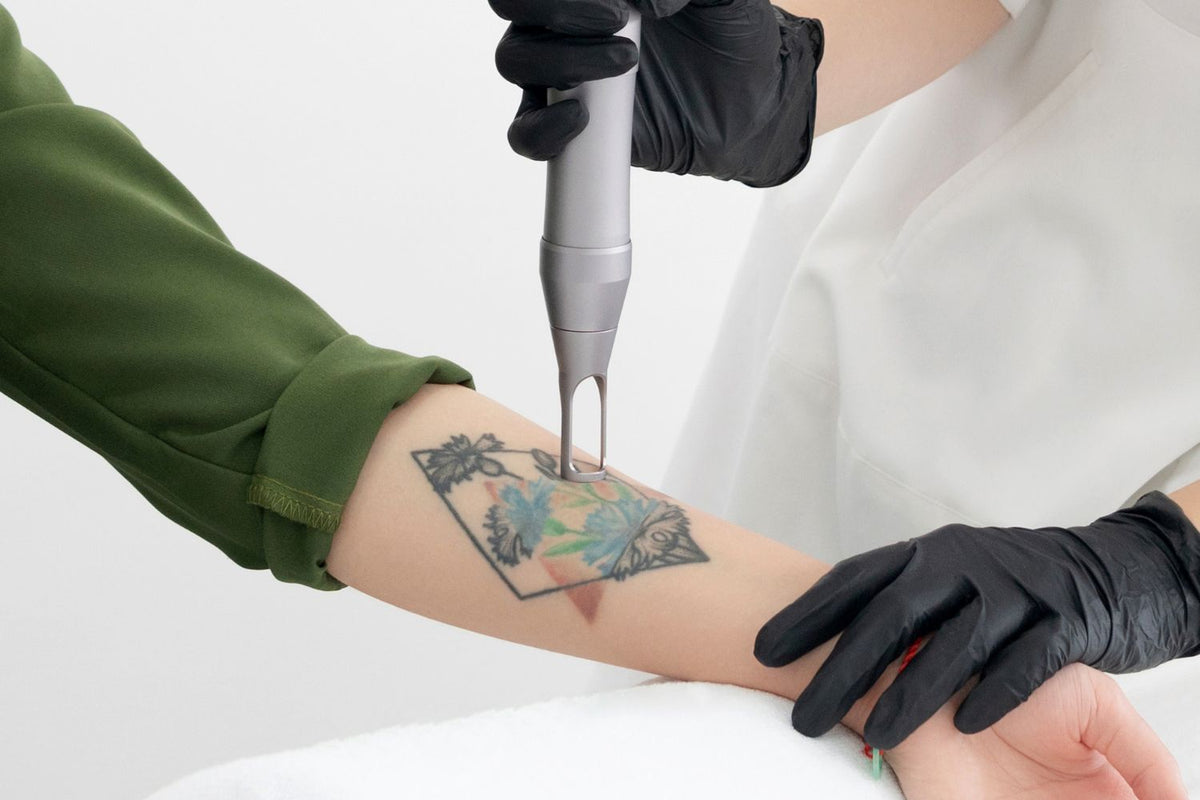
Tattoo Removal
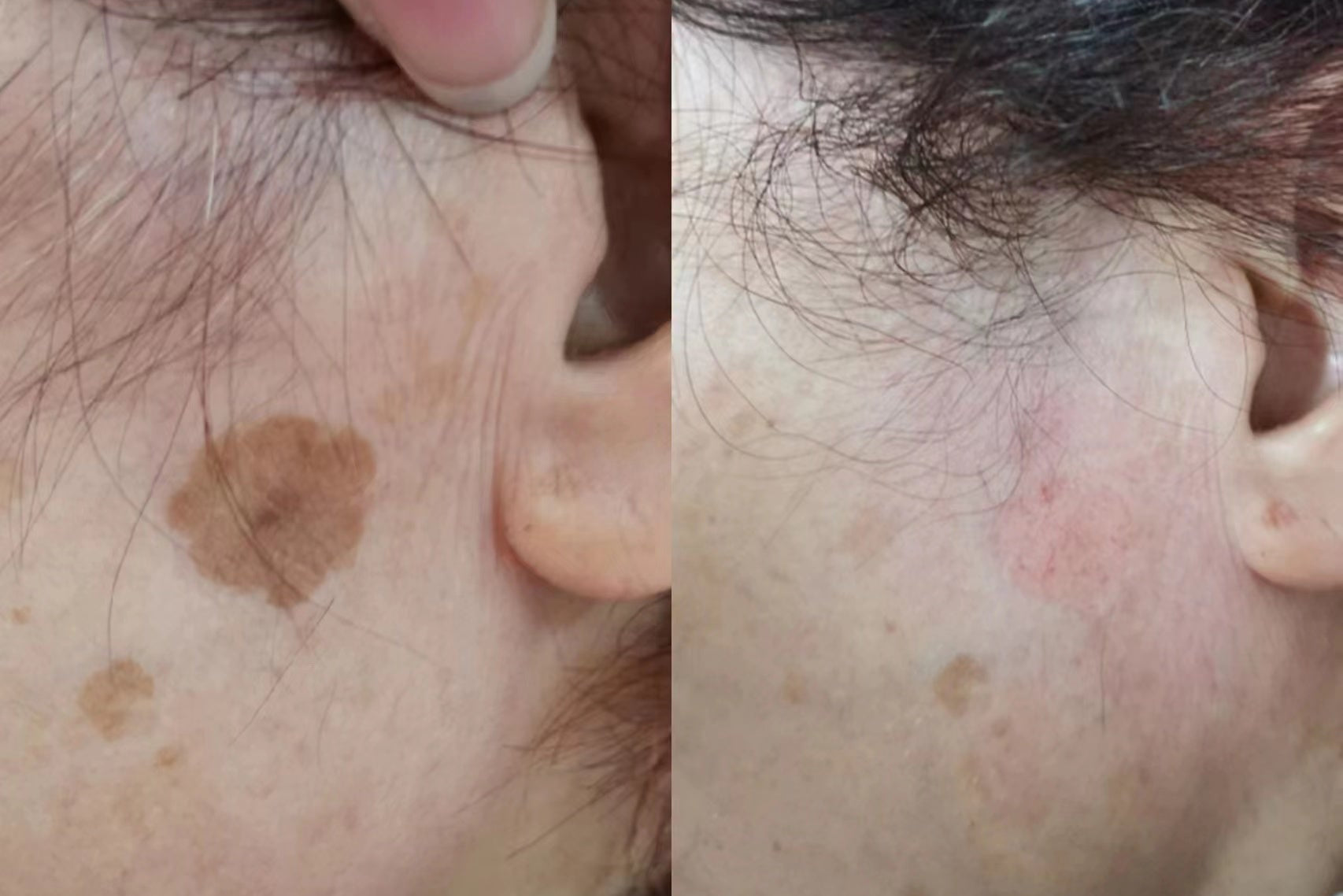
Pigmented Lesion
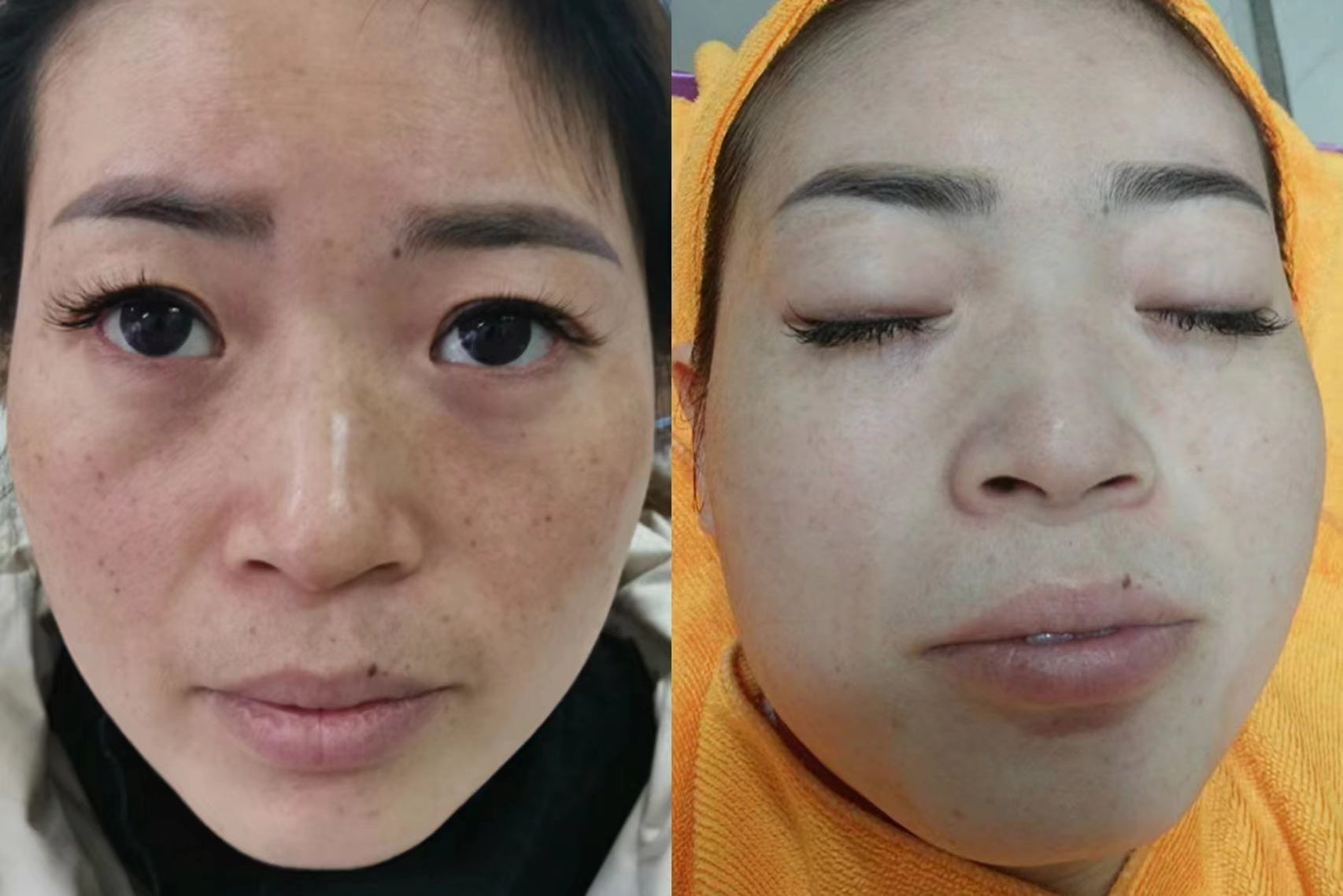
Skin Rejuvination
FAQs
1. Is the DioLaz Picosecond Laser truly licensed for use in Canada?
Yes – this device holds an active Health Canada Medical Device Licence (MDL No. 115451) for the PICOSECOND LASER SYSTEM family. That means it has undergone review and meets Canada’s strict safety and efficacy requirements for medical aesthetic devices. Clinics can confidently advertise and use this Health Canada approved laser machine knowing it’s in compliance with Canadian regulations. DioLaz Canada will provide the Medical Device License (MDL) information and documentation upon purchase, so you have it for your records and any inspections. Operating a licensed system protects your business and assures clients that you use approved, safe technology.
2. What treatments can we perform with this laser?
The DioLaz Picosecond Laser is designed as a multi-purpose dermatology and esthétique clinique laser. Its primary applications are laser tattoo removal (treating virtually all tattoo colors) and a wide range of pigmented lesion treatments (sun spots, age spots, freckles, melasma, café-au-lait, etc.). Additionally, it performs skin rejuvenation services like acne scar revision, skin tone enhancement, and collagen stimulation for fine lines or enlarged pores. By adjusting settings or adding an optional fractional lens, you can offer non-ablative skin resurfacing (often called “laser facials” or toning). In summary, any treatment involving unwanted pigment or the desire for fresher, clearer skin can potentially be addressed with this one laser system – making it extremely versatile for a medical spa or clinic.
3. How does picosecond technology compare to older nanosecond Q-switched lasers?
Picosecond lasers represent the latest advancement in laser dermatology. Traditional Q-switched lasers (like older nanosecond Nd:YAG devices) emit pulses around 5–20 nanoseconds long, which rely more on photothermal action (heat) to break up pigment. In contrast, the DioLaz’s ultra-short picosecond pulses (≈0.000000000450 s) are about 100× shorter! These bursts are so brief that they generate a strong photo-acoustic shockwave in the target without excessive heating. The benefits are significant: picosecond pulses shatter ink and pigment into much finer particles, improving clearance and often requiring fewer sessions for tattoo removal. Less heat means lower risk of collateral tissue damage, so there’s reduced chance of scarring or long downtime. In practice, you’ll see more efficacious results on difficult tattoos (especially blues/greens) and melasma using picosecond technology, and patients benefit from a safer, more comfortable treatment experience.
4. Can this laser treat all skin types, even darker skin tones?
Yes. The DioLaz Picosecond Laser was engineered with skin type inclusivity in mind. Its 1064 nm wavelength is very safe on deeper skin tones (Fitzpatrick IV, V, VI) because that wavelength bypasses the epidermal melanin to focus on deeper targets (ink or dermal pigment). This greatly minimizes the risk of post-inflammatory hyperpigmentation or hypopigmentation that lasers can sometimes cause on dark skin. Additionally, the device’s energy settings are highly adjustable, and it includes cooling and spot size options to further ensure safe treatment tailored to each skin type. Of course, as with any powerful medical aesthetic equipment, proper training is essential – your staff will learn to use lower fluences or more test spots on very dark skin to fine-tune safe settings. But overall, this picosecond laser has been successfully used on all ethnic skin tones for tattoo removal and pigmentation issues. Many clinics find it opens the door to treat patient demographics they might have been cautious with using older lasers.
5. What tattoo ink colors can it remove, and are any colors challenging?
With its dual wavelengths, the system can address the full spectrum of tattoo pigments. The 1064 nm beam targets black, dark blue, brown and other deep shades exceptionally well – these typically respond the fastest. The 532 nm beam is effective on brighter colors like red, orange, yellow, violet – pigments that absorb green light. In essence, between these two, you can treat the majority of tattoo colors encountered. Some very light or unusual ink colors (such as certain light greens, teal or turquoise, or fluorescent inks) can be more resistant because their optimal removal might require additional wavelengths (like 694 nm ruby or 755 nm alexandrite which this unit doesn’t have). However, even those colors often show improvement with the picosecond 532 nm (they may just need more sessions). The bottom line: nearly all professional and amateur tattoos – multi-color or single-color – can be significantly faded or fully removed with the DioLaz system. It gives clinics a comprehensive laser tattoo removal machine without the need for multiple different lasers.
6. How many treatment sessions are typically needed for tattoo removal or pigmentation clearance?
The number of sessions will vary by case, but picosecond lasers generally reduce the required sessions compared to older technology. For example, a professional multi-color tattoo that might take 10–15 sessions with a standard Q-switched laser could potentially clear in around 6–10 sessions with the DioLaz Picosecond Laser – a noticeable improvement. Some simpler or predominantly black tattoos might clear in as few as 4–6 treatments. Factors include the tattoo’s age, ink depth, colors, and the client’s skin type (and immune response). For pigmented lesions like sun spots or freckles, many patients see significant fading in 1–2 sessions, whereas melasma or dermal pigmentation might need 3–5 sessions spaced out cautiously. Acne scars and skin rejuvenation protocols are often a series of 3–4 treatments for optimal collagen renewal. It’s important to set realistic expectations: complete tattoo removal is usually a gradual process over multiple visits. However, with the high power and precision of this device, patients will typically notice visible progress after each treatment, which keeps them motivated to continue. Your clinic will be able to develop treatment plans that balance aggressiveness with safety, thanks to the versatile settings.
7. What is the patient downtime and aftercare like?
One of the advantages of picosecond laser treatments is the relatively mild downtime. Because this laser doesn’t heavily char or ablate the skin, most patients experience only moderate redness, slight swelling, and a feeling of warmth in the treated area immediately after a session. For tattoo removal, the skin often forms a superficial white frosting on the ink during treatment (a transient reaction) and afterward may feel like a sunburn for a day or two. Some pinpoint bleeding or blistering can occur on very high-density tattoos – this is normal and will heal with proper care. Generally, the downtime is a few days of local redness/tenderness. For pigmentation or skin revitalization treatments, the downtime is usually minimal – maybe 1 day of mild redness and a week or two of gradual light flaking or peppery darkening as pigmented spots resolve. There is no prolonged peeling or oozing as seen with aggressive CO₂ lasers, for instance. We advise patients to keep the area clean, protected from sun, and to follow provided aftercare (like applying a gentle antibiotic ointment or healing cream if needed, and sunblock). Most clients can resume normal activities the same or next day – making this laser very patient-friendly with quick recovery. Of course, individual experiences vary, but overall it’s a low-downtime treatment, especially considering the significant benefits.
8. Does DioLaz Canada provide training for our staff?
Absolutely. When you invest in the DioLaz Picosecond Laser, you’re not just buying a machine – you’re gaining a comprehensive support package. DioLaz Canada includes in-depth training with each system installation. A certified clinical trainer will instruct your practitioners on device operation, safety checks, parameter selection for different indications, and laser safety protocols (eye protection, room setup, etc.). We typically offer an on-site training session at your clinic (or a designated training center) to ensure your team is confident in treating patients and maintaining the equipment. Additionally, you’ll receive a detailed user manual and quick-start treatment guides (with suggested settings for various treatments like tattoos vs. lentigines vs. acne scars). We also offer ongoing support: you can contact our clinical support line with any questions, and we periodically host educational webinars and update sessions as new techniques or studies emerge. Beyond initial training, DioLaz Canada’s Educational Program and Academic resources keep your staff at the forefront of laser aesthetics knowledge, so you can fully maximize the capabilities of your new medical spa laser device.
9. What maintenance or consumables are required for this laser?
The DioLaz Picosecond Laser is designed for easy maintenance and low running costs. It’s a solid-state laser with a long-life Nd:YAG crystal and flashlamp system. The primary routine maintenance is simply to keep the unit clean, ensure the distilled water cooling fluid is changed as recommended (usually every 6–12 months), and have an authorized technician perform an annual check-up/calibration. There are no expensive consumable parts like cartridges or tips needed for each treatment – you can fire as many shots as needed. The flashlamps (which generate the laser pulses) will gradually wear over time, but they are rated for a high number of shots; typically they might need replacement after a couple of years of regular use, which is a straightforward service procedure. The articulated arm mirrors should stay aligned under normal use; if the arm is ever hit or misaligned, service can recalibrate it, but this is rare. We provide a standard 1-year warranty that covers parts and labor for any manufacturing issues, and extended service plans can be purchased for ongoing peace of mind. In short, day-to-day maintenance is minimal – just follow the user manual (e.g. refill the coolant, clean the handpiece window, etc.), and the device will reward you with consistent performance. DioLaz’s tech support is always available if any questions arise. Many clinics are pleased to find this laser costs far less to maintain than some alternative technologies, making it a smart long-term investment.
10. What kind of warranty and support does it come with?
Warranty coverage is subject to DioLaz Canada’s current written warranty policy. Please refer to the official warranty document for applicable terms.