
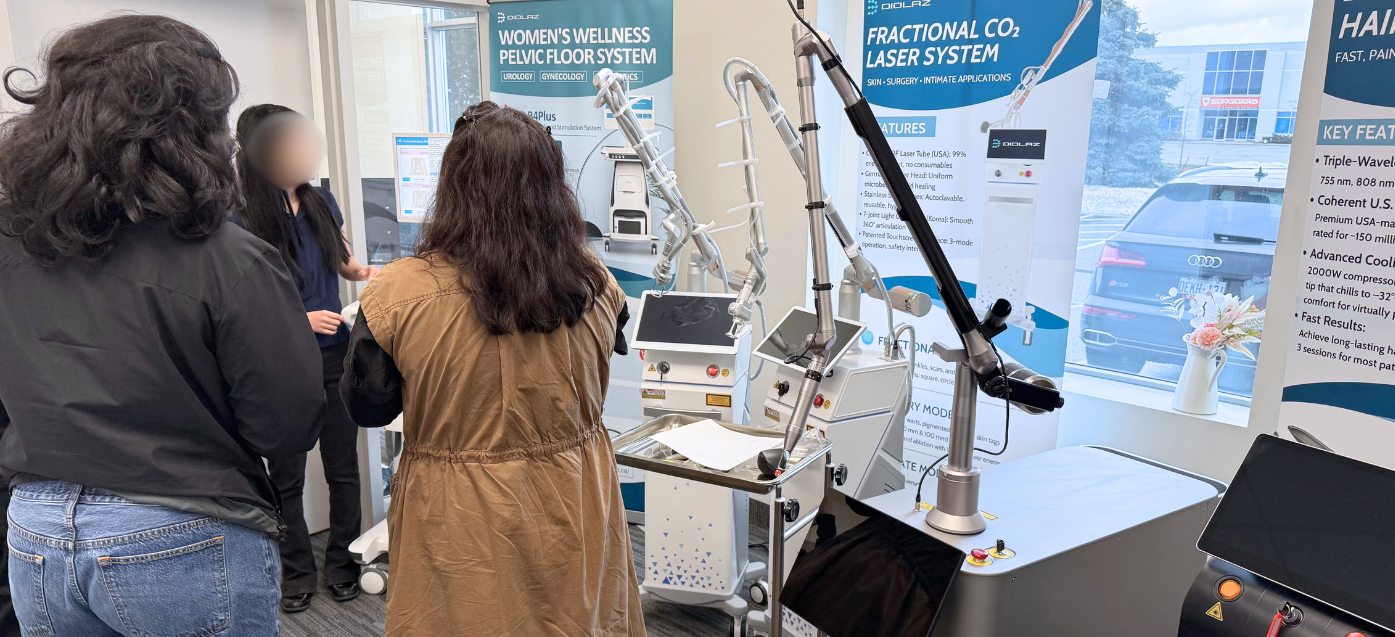
March 7, 2026 – Over steaming cups of coffee, DioLaz hosted an informal Coffee Chat event focusing on the application of Picosecond Laser technology in medical aesthetics clinics. Clinic owners, medical aestheticians, and dermatologists from across regions gathered in a friendly, educational atmosphere. The vibe felt more like colleagues catching up than a formal seminar – everyone shared experiences and asked questions freely. This conversational session shed light on how picosecond laser innovations are shaping aesthetic treatments, with lively discussion around regional patient preferences, treatment demands, and choosing the right laser technology for each clinic’s needs.
Regional Differences in Aesthetic Treatment Preferences
One theme that perked up the discussion was how patient preferences and treatment demands can vary by region. Attendees from different parts of Canada noted unique trends among their clientele. For example, a clinic owner from a metropolitan area observed a surge in tattoo removal requests among younger patients, while a dermatologist from a coastal region reported more interest in pigment correction for sun spots and melasma. Others mentioned that in diverse urban centers, there’s high demand for lasers safe for all skin tones – reflecting the varied demographics of their communities. These regional insights highlighted that no two clinics are exactly alike. By understanding their local patient preferences – whether it’s fading unwanted tattoos or rejuvenating sun-damaged skin – clinics can tailor their services accordingly. The group agreed that being aware of these differences is key to success: it helps in planning which treatments to emphasize and in selecting devices that match the most common needs in their area.
Tailoring Treatments with Picosecond Laser Technology
A major takeaway was how picosecond laser technology is helping clinics meet those varied treatment demands. Unlike older nanosecond Q-switched lasers, picosecond systems fire ultra-short pulses (a picosecond is one-trillionth of a second) to target pigment and ink with greater precision and power. The experts explained that these ultra-fast pulses can shatter stubborn tattoo inks and skin pigmentation into tiny particles that the body can eliminate, resulting in faster fading. In practical terms, patients see better results in fewer sessions compared to older lasers – a welcome benefit for both clinics and clients. Attendees were especially excited that one Health Canada licensed picosecond laser system offers a pulse duration of 450 ps, giving it a competitive edge in laser tattoo removal efficacy.
Beyond tattoo removal, the Coffee Chat panel discussed using picosecond lasers for skin revitalization. Because the pulses are so brief, they generate a strong photomechanical impact with minimal heat, meaning skin rejuvenation treatments with little to no downtime for patients. Several practitioners shared success stories of treating acne scars and melasma with picosecond technology – the laser’s pulses stimulate new collagen in the skin without the prolonged recovery that ablative lasers would require. This ability to improve scars, fine lines, and pigmentation while avoiding significant peeling or redness has made picosecond lasers a popular addition to facial aesthetic treatments menus. “My patients love that they can get a laser facial at lunch and go back to work without looking like a peel,” one aesthetician noted, sparking nods and smiles around the room.
Crucially, the dual-wavelength capability of the featured picosecond laser was highlighted as a game-changer for versatility. The device operates at both 1064 nm and 532 nm, essentially two lasers in one, enabling a broad range of treatments on different targets. Participants discussed how the 1064 nm wavelength is ideal for deeper, darker pigments (and is safe for all skin types), while the 532 nm is effective for red, orange, and lighter pigments. In practice, this means a single picosecond laser can remove multicolor tattoos and also address brown spots or freckles on fair skin. For clinics serving diverse communities, this versatility is a huge advantage – one laser platform can handle an array of concerns, from tattoo clearance to age-spot reduction, without having to turn patients away. The group agreed that having such laser technology on hand allows clinics to expand their services confidently. As one practitioner put it, “It’s great not having to say no to a treatment request – with the right laser, we can do it all.”
Choosing the Right Picosecond Laser for Your Clinic
Another key point of discussion was machine selection – how to choose the right picosecond laser device amid various options on the market. The consensus among the Coffee Chat attendees was that clinics should seek out proven, professional-grade lasers that align with their treatment goals and patient demographics. Safety and legitimacy came up often: investing in a Health Canada approved laser system was deemed essential for peace of mind. In fact, the DioLaz Picosecond Laser highlighted during the event is licensed by Health Canada as a Class III medical device, meaning it meets strict standards and has documented safety and efficacy. Knowing a laser is Health Canada approved reassures both practitioners and patients that the technology is compliant with national medical standards.
Beyond approvals, practitioners shared tips from their own purchasing journeys. Many emphasized the importance of dual-wavelength capability (as mentioned above) so the device can handle a wider variety of treatments. Several clinic owners also advised looking at practical factors: reliability, support, and training. A laser is a significant investment, so having solid technical support and user training from the vendor can make all the difference. DioLaz’s team noted that their picosecond system was designed as a workhorse for busy clinics – with a long-life laser cavity and advanced cooling to minimize downtime. They also offer comprehensive training and nationwide technical service, which resonated with attendees who have learned that good support is “as important as the machine’s specs” in daily practice. The takeaway: when selecting a picosecond laser, do your homework. Evaluate whether the machine’s capabilities match your clinic’s most common cases (tattoos, pigmentation, skin resurfacing), check that it’s backed by regulators and experts, and consider the vendor’s reputation for customer support. This thoughtful approach to machine selection helps ensure your investment truly elevates your clinic’s offerings.
Community Highlights and Looking Ahead
Perhaps the most rewarding aspect of the Coffee Chat was the community spirit in the room. What started as a technical talk about lasers evolved into a supportive roundtable of colleagues. Attendees swapped not just clinical tips but also candid anecdotes – laughing about common clinic challenges like last-minute appointment changes and the quirks of social media marketing. It was a refreshing reminder that even in a competitive industry, professionals value coming together to help each other learn and grow. By the end of the session, the coffee cups were empty, but everyone was buzzing with new ideas and motivation to implement what they learned about picosecond lasers in their own practices.
Before wrapping up, the organizers announced details for the next event. Mark your calendar: the next DioLaz Coffee Chat will take place on Saturday, March 28, 2026. Given the enthusiasm and collaborative energy of this session, the upcoming meet-up promises to be another engaging morning of insights and camaraderie. Whether you’re a seasoned medical aesthetic professional or just starting out, we’d love to see you at the next Coffee Chat for more shared learning over coffee. Here’s to continuing our journey of innovation and community in 2026 – see you on March 28th!
Share:
1064nm + 532nm Dual-Wavelength: Pico Laser Erases All Tattoo Colors
Picosecond Laser Clears Pigmented Lesions with 450ps Pulses – No Downtime