
Introduction
Diastasis recti abdominis – the separation of the abdominal muscles along the midline – is a common postpartum condition that can leave women with a persistent “pooch,” a weak core, and even back pain. During pregnancy, the growing uterus stretches the connective tissue (linea alba) between the left and right abdominal muscles. After childbirth, these muscles sometimes don’t rebound fully, leaving a gap. Beyond cosmetic concerns, diastasis recti can impair core stability and is often accompanied by pelvic floor weakness. Addressing this issue requires more than sit-ups; it calls for gentle, targeted retraining of the deep core muscles, often in conjunction with pelvic floor rehabilitation.
Core and Pelvic Floor Connection
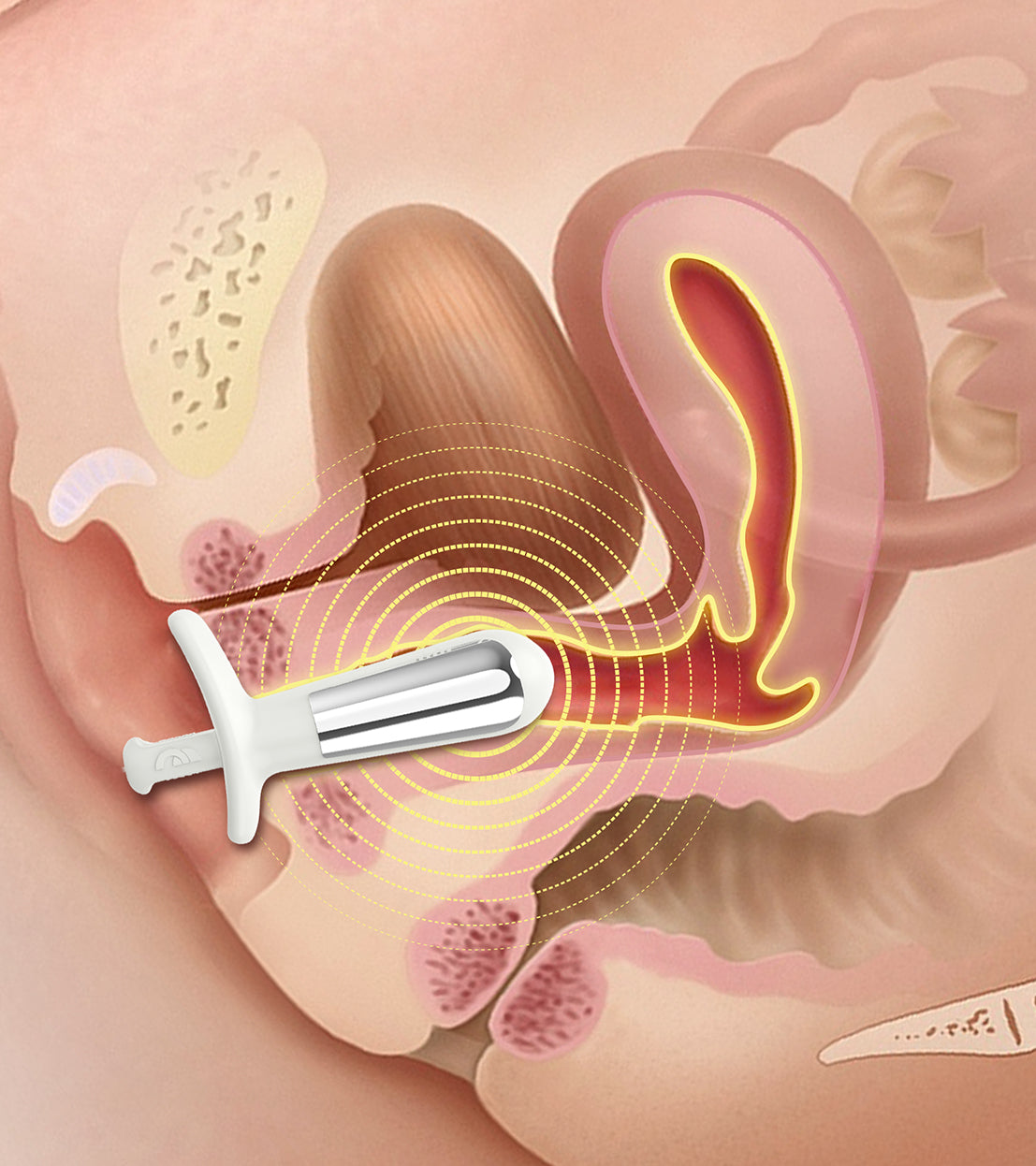
It’s important to recognize that the abdominal muscles and pelvic floor work together as a team. When you engage your core properly, your pelvic floor usually contracts as well – and vice versa. That’s why many postpartum exercise programs now emphasize both core and pelvic floor exercises simultaneously. However, doing these exercises correctly isn’t straightforward for everyone. New mothers may struggle to feel their deeper transverse abdominal muscles or know if they are lifting their pelvic floor. Improper technique can lead to frustration or slow progress. This is where an EMG biofeedback approach can make a huge difference. By using a women’s wellness technology device like the B4Plus, which can monitor muscle activity via surface electrodes, therapists can ensure that a woman is activating her transverse abs and pelvic floor together effectively. The visual feedback shows when the right muscles fire, helping to retrain the brain-muscle connection gently and safely.
Biofeedback-Assisted Diastasis Rehabilitation
With guided therapy, many women are able to close their abdominal separation and regain strength far faster than with unsupervised exercise. Biofeedback devices allow both patient and clinician to see the engagement level of the core muscles during each exercise. They can also incorporate mild electrical stimulation to facilitate muscle contraction in very weak areas. The outcomes reported with this high-tech approach are impressive: in one clinical study, women who underwent a biofeedback-led program for diastasis recti had measurably smaller abdominal gaps and greater muscle strength gains than those who did standard postpartum exercises. In fact, one trial achieved a 100% success rate in resolving diastasis recti in the treatment group, whereas the control group (conventional rehab) saw only a 76% success rate. Mothers also noted reductions in low back pain as their core integrity improved – a crucial benefit for caring for a newborn and returning to daily activities. By leveraging pelvic floor and core rehabilitation technology, postpartum women can restore their midsection from the inside out, safely rebuilding the foundation of their strength.
References:
1. Wang J. (2024). Postpartum diastasis recti rehab outcomes – Significantly greater closure of abdominal muscle separation and higher abdominal muscle strength in biofeedback therapy group (P<0.05).
2. Dong J. (2023). Diastasis recti recovery rates – 100% effective recovery in biofeedback + stimulation group vs 76.00% in control group.
Share:
Safety-First Technology: What Makes DioLaz a Compliant Choice in Canada
Pelvic Floor Surface EMG Guidance Enhances Postpartum Rehab Across Delivery Modes