
The Clinical and Commercial Case
For many clinic owners, laser hair removal looks familiar, crowded, and easy to commoditize. In practice, that is exactly why it can become one of the most stable revenue engines in an aesthetic business. The reason is not novelty. It is repeatability. Hair grows in cycles, multiple sessions are necessary, outcomes improve when protocols are followed over time, and patients often move from one treatment area to several once trust is established. Those characteristics turn laser hair removal into a service line that is unusually compatible with package-based purchasing, forward scheduling, and predictable chair utilization.
The science supports that long-term reduction depends on selective photothermolysis and repeated treatment across growth phases rather than a one-off intervention. That matters commercially because owners are not selling a single appointment; they are selling a clinically justified sequence. Reviews of laser and light-based hair removal consistently show that course design, device selection, and operator technique all influence long-term reduction, side-effect risk, and patient satisfaction. A clinic that explains the biology well usually converts better than one that merely promotes discounts.
Where the DioLaz Diode Platform Fits
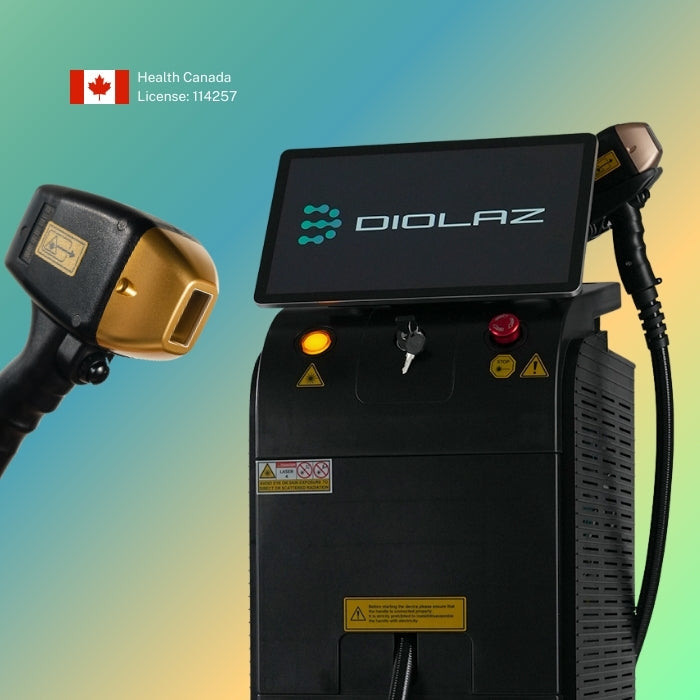
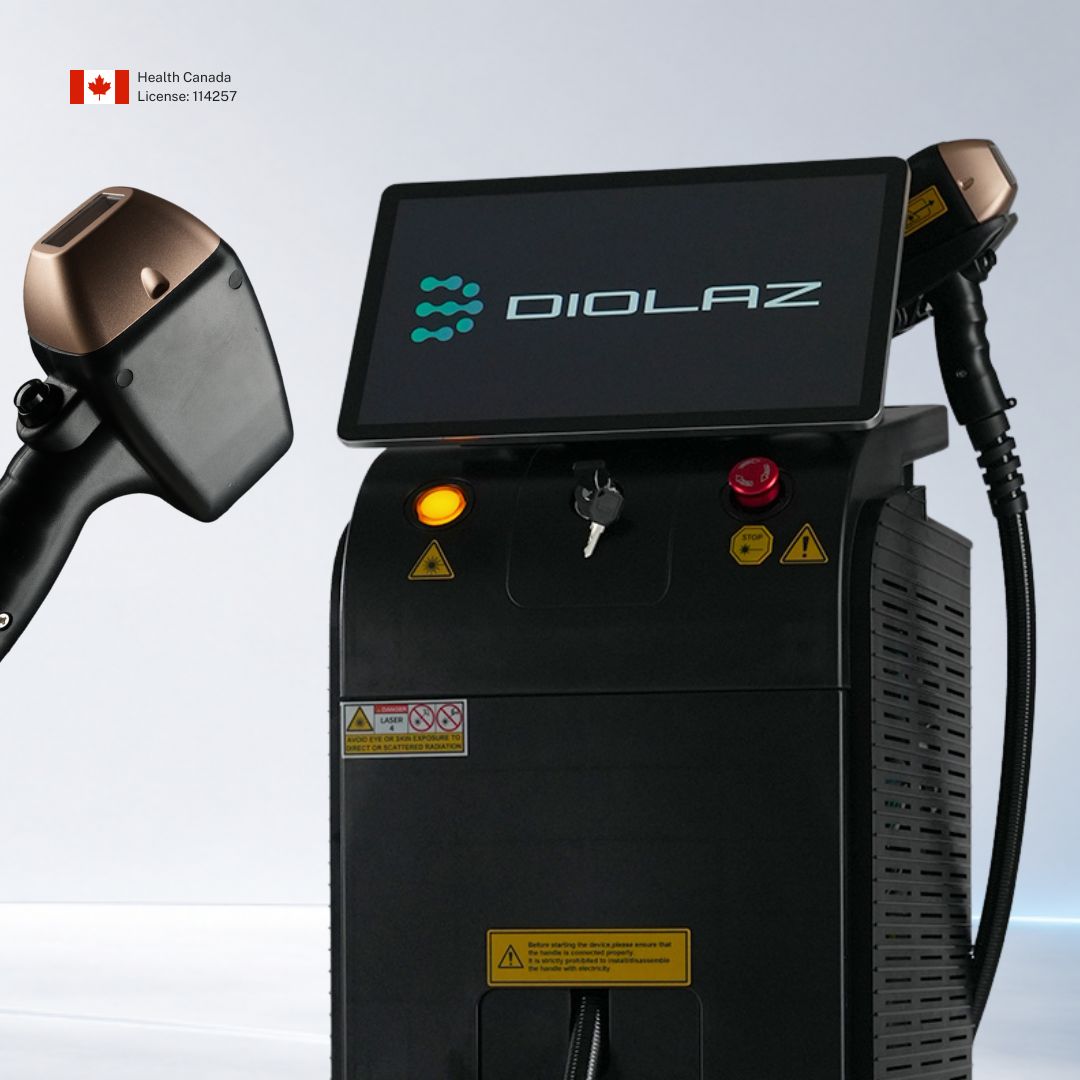
This is where the DioLaz Diode platform gives owners a workable operating model. The product page presents a triple-wavelength system combining 755 nm, 808 nm, and 1064 nm, with up to 100 J/cm², up to 10 Hz, a 12×24 mm spot size, sapphire contact cooling to around -32°C, and both SHR and HR modes. In business terms, that means the same system can support faster large-area workflows, more tailored treatment logic across skin types, and a better comfort story during consultation. Those are not cosmetic details. They directly affect treatment acceptance, room turnover, and review quality.
Implementation for Clinic Owners
Owners who build recurring revenue well usually do three things. First, they package by biologic logic, not by desperation pricing. Second, they set the next appointment before checkout every time. Third, they script the expectation that progress is cumulative, not instant. That reduces refund pressure and protects the perceived value of a professional, Health Canada licensed device against lower-cost competitors using weaker positioning.
There is also a branding advantage. A hair-removal service line becomes more resilient when it is framed as a clinical program rather than a commodity treatment. The clinic is then selling safety, inclusivity, comfort, and disciplined follow-up. That story is stronger when the device supports multiple wavelengths and cooling rather than relying on a single simplistic promise.
Health Canada Licensing and DioLaz Compliance
All DioLaz products are Health Canada licensed. The DioLaz Diode Laser Therapy Systems are licensed by Health Canada under Medical Device Licence (MDL) No. 114257. DioLaz Canada Inc. also holds Medical Device Establishment Licence (MDEL) No. 32023.
References
· Anderson RR, Parrish JA. Science. 1983;220:524-527.
· Gold MH. Clinics in Dermatology. 2007;25:443-451.
· Klein A, et al. Br J Dermatol. 2013;168:1287-1293.
Share:
Fractional CO2 Laser Coffee Chat: GTA Med Spa Market Insights
Why True Picosecond Beats Budget Q-Switched in Aesthetic Clinics Today